When your heating and cooling system isn't responding, the thermostat is commonly the first place to examine. You'll want to confirm it's powered properly and the setups line up with your system's needs. A couple of straightforward actions can aid you recognize usual problems. Beginning by checking out source of power and setups, yet there's more to contemplate as you fix. Recognizing these elements can cause a much more efficient system and comfort in your home. Let's discover the following steps.
Trick understandings
- Check for power supply problems, including tripped circuit breakers and battery replacement in battery-operated thermostats. Validate thermostat setups and settings, ensuring they line up with your desired home heating or cooling choices. Tidy the thermostat to get rid of dust and examine wiring for any wear or damage that may affect performance. Make certain the thermostat is properly situated far from warmth resources, direct sunshine, and preferably installed concerning 5 feet above the floor. Update thermostat software program regularly based on the supplier's guidelines to avoid functional problems and improve efficiency.
Inspect the Power Supply
To ensure your thermostat runs properly, start by inspecting the power supply. First, verify if a power outage has taken place in your area; this can disrupt your thermostat's performance. If every little thing seems fine on the surface, locate your circuit breaker panel. A stumbled circuit breaker could protect against power from reaching your thermostat. Search for any kind of breakers that remain in the "off" placement or seem tripped, and reset them by turning them back to the "on" placement. After resetting, check if the thermostat powers back up. If it doesn't, consider replacing the batteries if it's battery-operated or get in touch with a professional for more help. Ensuring a stable power supply is essential for your thermostat's efficiency.
Examine the Thermostat Setups
After ensuring the power supply is steady, the next step includes checking the thermostat setups. This is necessary to guarantee that your system runs efficiently. Beginning by confirming the following:
Thermostat Compatibility: Validate your thermostat is compatible with your cooling and heating system type. Temperature Setups: Examine that the temperature settings are appropriately configured for your wanted comfort level. Mode Choice: Verify that the thermostat is readied to the suitable mode (heating, air conditioning, or vehicle). Arrange Testimonial: If your thermostat has a scheduling feature, assess the setups to confirm they straighten with your day-to-day routine.Replace the Batteries
While you have actually validated the thermostat setups are proper, it's crucial not to forget the batteries. Many thermostats make use of AA or AAA battery kinds, yet some designs could need special batteries. Checking the battery life-span is necessary; typically, batteries last in between 6 months to a year. If your thermostat is unresponsive or presents a low battery warning, it's time to change them. Always power off the thermostat before transforming the batteries to avoid any type of damages or inaccurate readings. When putting brand-new batteries, ensure they're oriented properly according to the polarity markings. After replacing them, turn the thermostat back on and verify it's operating appropriately. This easy step can greatly enhance your thermostat's efficiency and reliability.

Tidy the Thermostat
To ensure your thermostat operates appropriately, it is very important to cleanse it consistently. Start by getting rid of any type of dust and particles that might accumulate on the gadget, as this can interfere with its performance. Furthermore, inspect the battery links and inspect the circuitry and get in touches with for any type of signs of wear or damages.
Dust and Debris Elimination
Since a tidy thermostat guarantees accurate temperature analyses and effective procedure, removing dirt and debris is vital for peak performance. Routine thermostat maintenance can stop dirt buildup, which hinders functionality. Comply with these steps to ensure your thermostat stays clean:
Shut off Power: Always turn off the power to your heating/cooling system before cleansing. Remove the Cover: Gently take off the thermostat cover to gain access to interior components. Dirt Elimination: Use a soft brush or vacuum with a brush accessory to eliminate dirt and particles. Rebuild: Once clean, change the cover safely and turn the power back on.Inspect Battery Links
Checking battery connections is crucial for your thermostat's functionality. Begin by getting rid of the thermostat cover to access the battery area. Determine the battery kinds made use of most thermostats make use of AA or AAA batteries. Once you've found the batteries, inspect their connection stability. Verify the calls are clean and free from deterioration. If dust or gunk is present, carefully tidy the terminals with a cotton bud and isopropyl alcohol. Change any kind of weak or dead batteries with fresh ones, seeing to it they're oriented correctly according to the polarity signs. After changing the batteries, secure the thermostat cover and check for proper procedure. Regularly examining battery links helps preserve your thermostat's effectiveness and avoids unanticipated heating or cooling concerns.
Inspect Electrical Wiring and Contacts
Inspecting the circuitry and get in touches with of your thermostat is crucial for assuring excellent efficiency. Over time, circuitry insulation can put on down, and calls may experience deterioration, bring about operational concerns. Here's a concise list to help you examine successfully:
Turn off power to the thermostat to guarantee safety. Examine electrical wiring insulation for any kind of indicators of damages or fraying. Take a look at calls for rust; tidy them gently utilizing a get in touch with cleaner if needed. Re-secure loosened connections to stop periodic issues and warranty reputable operation.Validate the Circuitry Connections
Before you wage repairing your thermostat, it's critical to verify the circuitry connections to verify whatever is appropriately set up. Begin by switching off the power to your HVAC system to prevent any electric dangers. Next off, meticulously eliminate the thermostat cover and evaluate the circuitry. Consult your electrical wiring representations to verify each cord is connected to the correct terminal. Look for any type of loosened, frayed, or corroded cables that might trigger link issues. If you find any problems, make use of connection troubleshooting strategies to fix them. Secure all links firmly, and verify that the wires are not squeezed or blocked. Once satisfied, replace the thermostat cover and recover the power to your system.

Adjust the Thermostat
To confirm your thermostat is working properly, start by checking its temperature level precision against a reliable thermometer. If you see discrepancies, you'll need to change the calibration setups to line up the thermostat's readings with the real temperature level. Correct calibration guarantees peak performance and power performance in your cooling and heating system.
Inspect Temperature Level Precision
Calibrating your thermostat is vital for confirming that it accurately shows your home's temperature level. This helps stop temperature level variations that can result in discomfort or ineffective power use. To examine the precision, comply with these steps:
** Utilize a ** dependable thermostat ****: Position it near your thermostat for a straight comparison. Await stablizing: Allow both tools to adjust for at the very least 15 mins. Compare analyses: Keep in mind any kind of discrepancies between the thermostat and thermostat. Evaluate thermostat positioning: Confirm it's not near heat resources or drafts that could skew its analyses.
Change Calibration Setups
As soon as you've recognized any errors in your thermostat's analyses, readjusting the calibration setups is the following action to verify peak performance. Calibration strategies differ by version, however usually entail situating the calibration screw or dial on the thermostat. If you observe temperature discrepancies, utilize a dependable thermostat to contrast readings. Change the calibration screw thoroughly, aiming for a suit between the thermostat and the thermostat. It's essential to make tiny changes and await the thermostat to support prior to inspecting once more. As soon as lined up, you can be certain that your thermostat will keep your preferred temperature efficiently. Regular calibration assurances that your cooling and heating systems run at their best, conserving power and boosting comfort.
Test the Thermostat's Reaction
Examining your thermostat's feedback is vital for guaranteeing it properly regulates your home's temperature. Various thermostat kinds may act in a different way, so comply with these actions for reliable reaction screening:
Set the Temperature level: Adjust the thermostat to a temperature level greater or less than the present space temperature level. Wait for Feedback: Observe whether the heating or cooling down system turns on within a few mins. Check Temperature Modification: Make use of a different thermostat to confirm that the area temperature begins to transform accordingly. Repeat the Refine: Test numerous times to guarantee consistent reactions across various settings.Check the Place of the Thermostat
To ensure exact temperature readings, inspect the thermostat's location within your space. It ought to be put far from heat resources like vents, sunshine, and devices that can trigger false readings. Suitable placing assists preserve consistent environment control throughout your home.
Ideal Positioning Considerations
Where should you position your thermostat for best performance? Proper positioning is vital for precise temperature readings and reliable home heating or cooling. Think about these variables:
Thermostat Height: Mount it regarding 5 feet over the floor for ideal analyses. Wall surface Insulation: See to it it's on an exterior wall surface with good insulation to avoid drafts affecting efficiency. Prevent Direct Sunshine: Maintain it far from home windows or locations exposed to sunshine, which can alter analyses. Central Area: Location it in a central area of your home to assure it mirrors the average temperature of your space properly.Complying with these standards helps ensure your thermostat works properly, improving your home's comfort and energy efficiency.
Preventing Warmth Sources
While checking the place of your thermostat, it's crucial to confirm it's located away from any kind of warm sources that might disrupt its readings. Warmth source impacts, such as those from radiators, stoves, or direct sunlight, can lead to incorrect temperature measurements. This misreading can trigger your heating and cooling system to function tougher than needed, eventually enhancing power expenses and reducing comfort. For perfect thermostat placement, verify it's located on an interior wall, preferably 5 feet over the flooring, and away from home windows or doors. Routinely evaluate the area around your thermostat to determine any brand-new warm resources that may have arised. By avoiding these influences, you'll keep accurate control over your home's temperature, promoting performance and comfort.
Search For Software Application Updates
Checking for software updates is vital to confirm your thermostat operates effectively and takes advantage of the latest features. Regular updates enhance software program compatibility and can solve bugs, improving performance in time. Right here's exactly how to look for updates:
Gain access to the Settings: Navigate to the settings menu on your thermostat or app. Inspect Update Frequency: Seek an option labeled "Software Update" or comparable. Launch the Check: Select the alternative to check for updates. Your device will show if a newer version is available. Install Updates: If an update is offered, adhere to prompts to mount it.Remember that staying upgraded can prevent possible concerns and verify peak procedure of your thermostat.
Look For Professional Aid if Needed
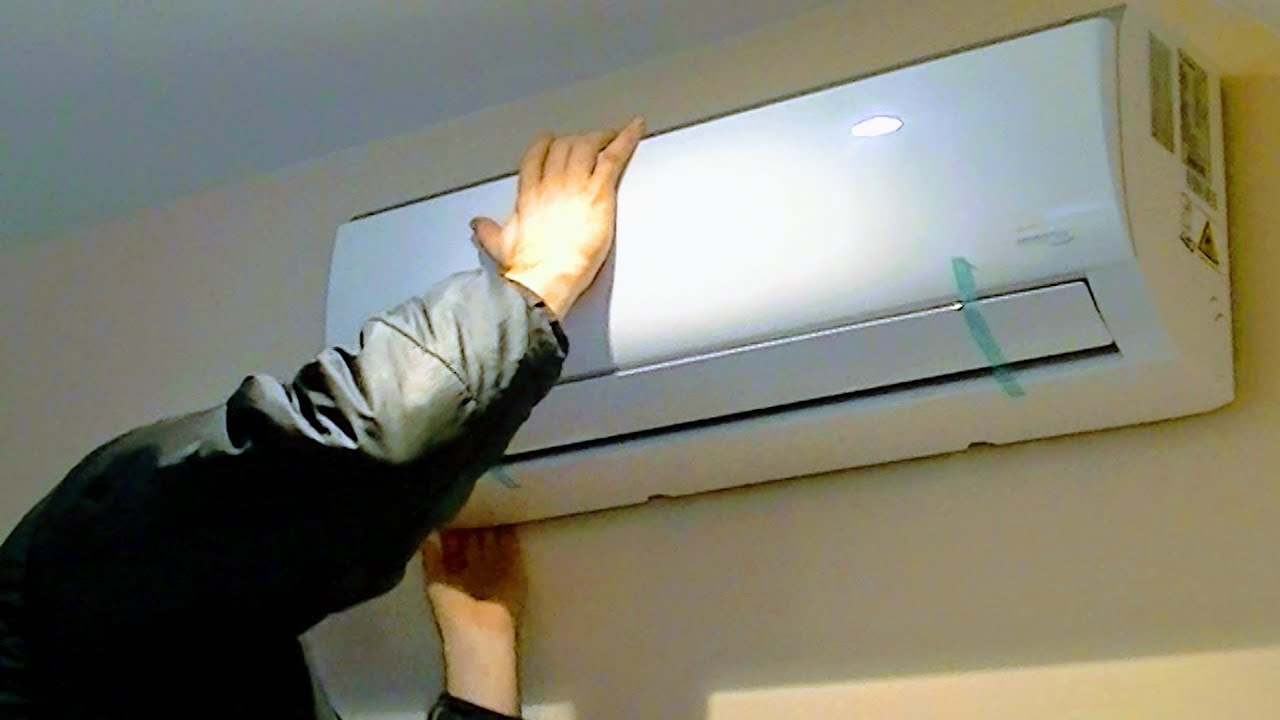
After guaranteeing your thermostat's software program is up to date, you might still come across concerns that call for specialist intervention. If you've examined all standard settings and your thermostat still isn't functioning properly, it's time to speak with thermostat professionals or a/c specialists. These professionals have actually the specialized understanding and tools needed to identify complicated troubles that you could not have the ability to identify. For instance, circuitry concerns or component failings typically go undetected without appropriate training. Don't wait to connect for assistance if you're unclear about executing repair services by yourself. Looking for professional assistance can save you time and avoid further damages to your heating and cooling midea air conditioner system, making sure peak efficiency.
Frequently Asked Inquiries
How Frequently Should I Check My Thermostat for Concerns?
You must examine your thermostat for issues at the very least twice a year as part of your thermostat upkeep regular. Routine assessments help you catch problems early, making certain effective heating and cooling. When you repair, try to find mistakes in temperature analyses or less competent settings. If you observe any kind of abnormalities, it's ideal to address them promptly. Staying aggressive can conserve you energy prices and prolong the life of your cooling and heating system.
Can a Thermostat Affect My Energy Costs?
Yes, a thermostat can significantly impact your power expenses. If your thermostat setups aren't fine-tuned for power effectiveness, your heating and cooling systems may run longer than essential, resulting in greater costs. By ensuring your thermostat accurately shows your preferred temperatures and adjusting it for when you're away, you can boost your home's power efficiency. Frequently examining and calibrating your thermostat assists preserve peak efficiency and can cause substantial financial savings on your energy costs.
Are Smart Thermostats Easier to Repair?
Smart thermostats are normally much easier to troubleshoot thanks to their advanced smart features. You can access troubleshooting suggestions straight via the device or its app, which often offers step-by-step assistance. Furthermore, several wise thermostats keep an eye on system efficiency and sharp you to possible issues, streamlining the diagnostic process. With easy to use user interfaces and remote gain access to, you can swiftly identify and fix problems, ensuring your heating & cooling systems run effectively.
What Temperature Should I Set My Thermostat To?
You ought to establish your thermostat to an excellent temperature level of around 68 F during winter months and about 75 F in summer season. Seasonal changes can improve convenience and efficiency. If you're away, think about decreasing the temperature level in wintertime or increasing it in summer by a couple of levels to save power. Bear in mind, every household's demands vary, so fine-tune based on your comfort preferences while maintaining power performance in mind.
How Long Do Thermostat Batteries Usually Last?
Thermostat batteries generally last in between 1 to 3 years, relying on use and kind. Normal thermostat upkeep can help you keep track of battery life-span properly. You must examine your thermostat's battery degree occasionally, especially before peak periods. If you see changes in temperature level or the display screen dims, it's most likely time to replace the batteries. Constantly keep spare batteries available to assure your system runs effectively and regularly keeps your desired temperature.
Recap
By complying with these steps, you can properly troubleshoot common thermostat concerns. Begin with inspecting the power supply and settings, after that clean the device and evaluate wiring. Do not forget to replace the batteries and evaluate its response. Confirm the thermostat's area is ideal and think about software application updates. If issues linger, it might be time to look for expert aid. Regular upkeep can keep your HVAC system running efficiently, guaranteeing comfort in your room year-round.